



Is a 26 or 29 MTB better uphill?
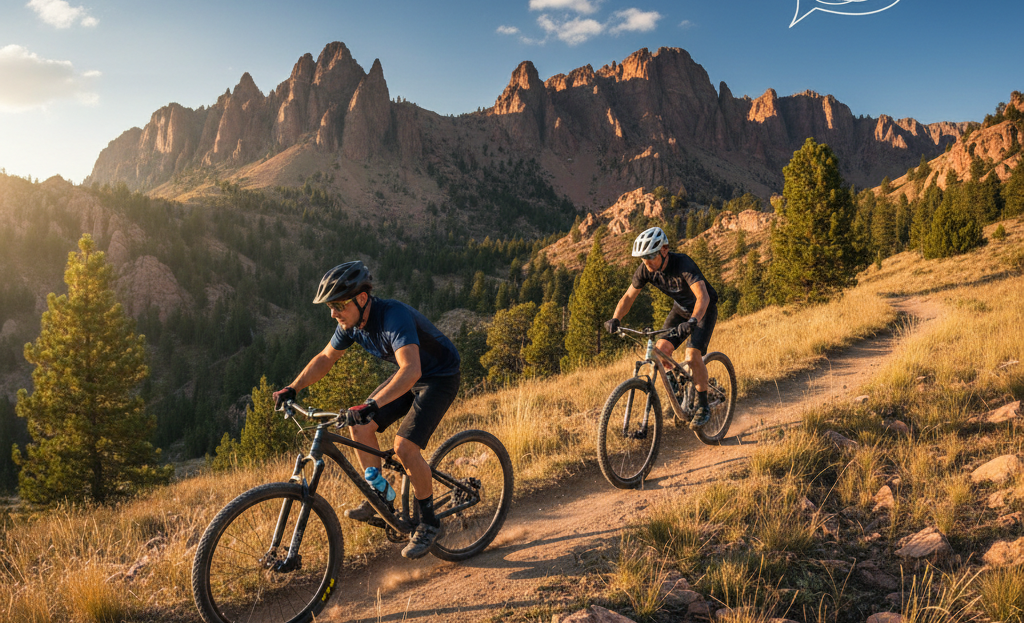
Is a 26 or 29 MTB better uphill?
**Is a 26 or 29 MTB better for climbing?** The 29er wins in rolling efficiency, but the 26″ is more responsive. Have you ever gotten stuck on a root or a steep step? Find out which MTB turns that climb into fun!
MTB 26 vs 29: Key differences in climbing
It all starts with the wheel diameter. 29″ (or 29er) wheels have a larger circumference, while classic 26″ wheels are smaller and more compact.
This geometry completely changes the ride when the road goes uphill. The right choice depends on what you encounter on your trail.
Advantages of 29-inch wheels when climbing
29-inch wheels are natural “rollers.” Their strength on climbs is maintaining momentum and overcoming obstacles more easily.
Superior obstacle clearance and rolling efficiency
The larger diameter helps tackle roots and rocks at a better angle. Think about how it handles a step: the wheel “climbs” over more easily instead of getting stuck.
The result? A smoother, more consistent pedal stroke. On a rough but flowing trail, the 29er maintains speed with less effort.
Greater traction and grip
The larger footprint of the 29″ wheel offers more grip. This is valuable on loose terrain, like a gravelly dirt road.
The tire has more contact surface, reducing rear wheel slippage. More traction means better power delivery.
Advantages of 26-inch wheels when climbing
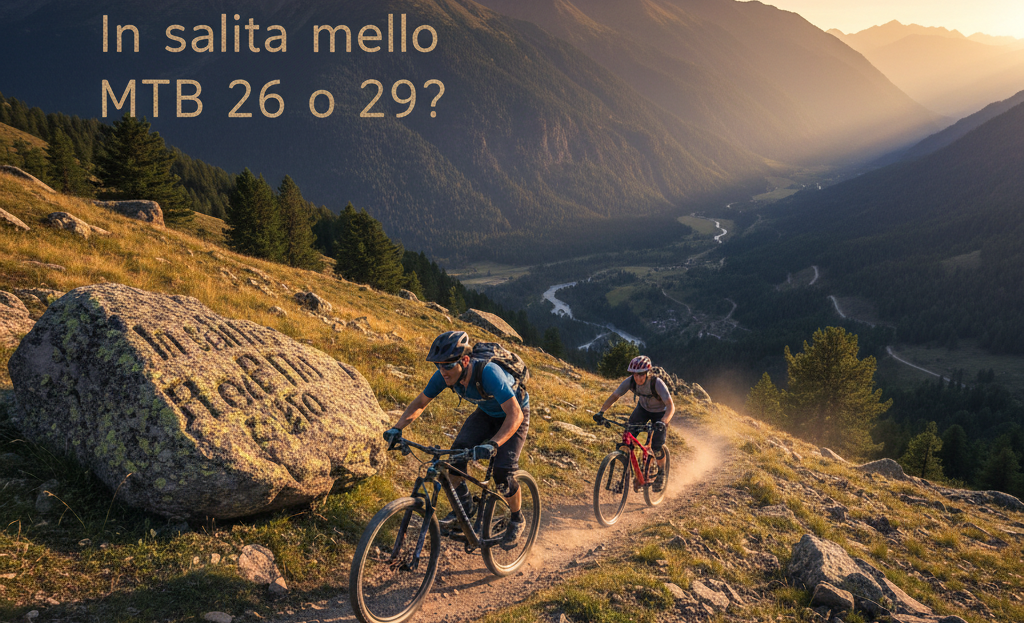
26-inch wheels, though less common on modern **MTBs**, are still appreciated for their liveliness. On climbs, their strength is agility and immediate response.
Lightness and responsiveness
Smaller rim and tire mean less rotating weight. You feel this in accelerations and sudden changes of pace.
The bike responds snappily to pedaling. On a steep climb with tight switchbacks, this responsiveness can make a difference.
Agility in tight technical sections
Where the line is twisty, the maneuverability of 26″ wheels shines. The bike’s wheelbase can be shorter and the steering more responsive.
It allows you to tackle technical climbs with precision, full of tight curves or passages between trees. The bike “turns” around obstacles with agility.
Choosing the Right Wheel for Your Climbs
There is no universal answer, only the perfect choice for you. Decide by considering both objective factors and your personal preferences.
Evaluate the type of trails you ride most often. This is the first step toward an informed purchase.
The role of 27.5 inches: a valid compromise
The 27.5-inch (650b) size offers a compromise. It aims to combine the rollover ability of 29″ wheels with the agility of 26″ wheels.
Many cyclists find it an excellent balance for mixed terrain. It has become the standard for many types of **mtb**, from trail to enduro bikes.
Personal factors and trail type to consider
Riding style and individual preferences
Are you a rider seeking stability and efficiency, or do you prefer a playful and fun bike? Your feel on the bike is crucial.
Try both geometries if you can. Confidence with the bike has a huge impact on your performance.
Type of climb (technical, smooth, steep)
Analyze your usual routes. Long climbs on wide gravel roads favor 29″ wheels.
Steep, broken climbs full of technical obstacles may favor 26″ or 27.5″ wheels. Think about your local trail: is it smoother or more technical?
Rider height and build
The rider's height plays a role. Shorter cyclists might find 29″ wheels too cumbersome in tight spaces.
For them, a bike with 26″ or 27.5″ wheels could offer a better fit and more control. The right proportion between you and the bike is essential.